
Task: Consider how your ideas around photography’s relationship with reality and truth might have changed as your practice has evolved: Has image manipulation ever been a significant part of your practice – professional or otherwise? Have you ever questioned this? Do you have a particular stance? Have you ever consciously constructed an image, or a sequence of images, to try to portray a persuasive, positive impression, maybe market a product or construct a reality you were not entirely at ease with? Did you learn anything through that experience? Have you ever, as Sontag put it, “designed events to be photographed”? Have you ever been aware that your presence, with a camera, had a direct influence on a turn of events that might otherwise not have happened?
The question of digital manipulation within my practice is a complex one. To provide an accurate explanation, I need to explain my own definitions of manipulation. I will then expand on my personal ethics regarding what I am willing and not willing to do as part of my photographic practice and how this has changed over time.
I have always drawn a red line between the manipulation of the items and their pixels within the frame when the image was captured and items that are added subsequently. In essence, until recently I have been willing to remove and or edit anything within the image that I thought helped to provide a more dynamic, engaging, or if required, minimalistic look and feel. This is hardly surprising bearing in mind my own typical style of fine art landscape minimalism.
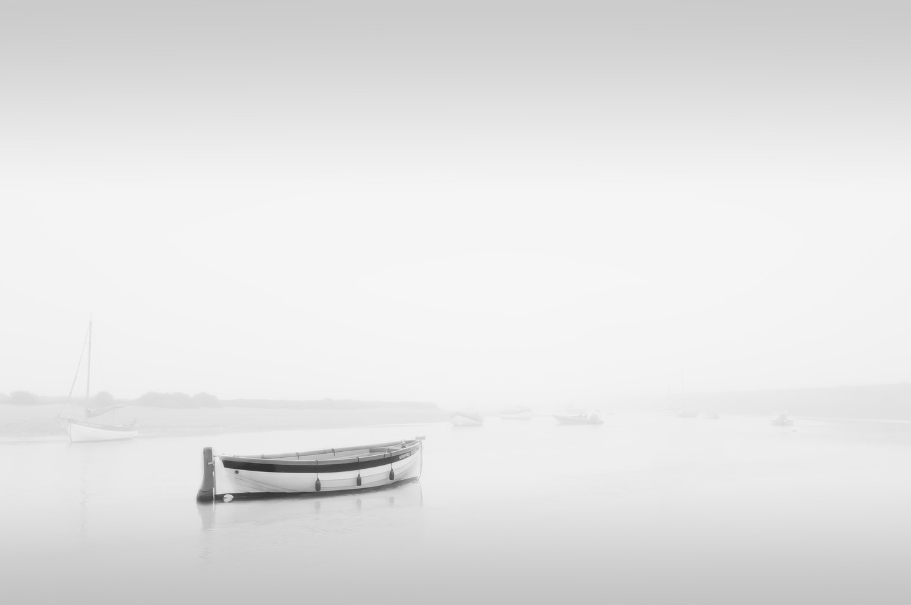
Manipulation took a different turn when I began my foray into urban/street photography. Here it was a manipulation of colour and tone rather than objects that were typically manipulated. It was at this time I was focused on achieving a cinematic look and feel, borrowing my cues from the Directors of Photography of films like Dune, Blade Runner, and Joker. Somehow, I did not feel that this was in any significant way deceptive. It was a creative genre of image-making that amplified mood, emotion, and drama to engage viewers.
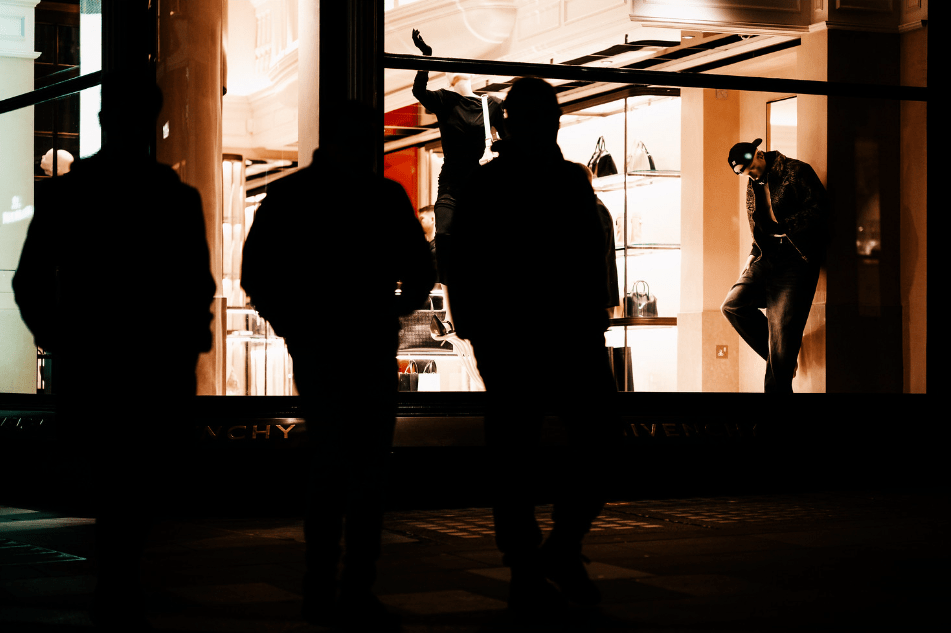
However, as my interest in documentary photography has grown and I have begun my MA, I have questioned my approach within my practice. If authenticity was a genuine goal and storytelling an ambition for my work was this methodology justified? I may not have ‘designed events to be photographed’ but arguably created images that did not bear sufficient resemblance to the scene being photographed. In other words, did they lack sufficient authenticity to be deemed a documentary photograph but rather should be considered a piece of photographic art.
To be honest, at this point in the course, I do not believe I have sufficient knowledge or have read widely enough to answer this question. However, I hope to achieve greater clarity on the subject further down the line later in the course.
FIGURES:
Figure 1: David Rosen. 2020. Mist at Dawn, Burnham Overy Staithe
Figure 2: David Rosen. 2023. Spot the Mannequin, Bond Street London

