Task:Consider how your ideas around photography’s relationship with reality and truth might have changed as your practice has evolved: Has image manipulation ever been a significant part of your practice – professional or otherwise? Have you ever questioned this? Do you have a particular stance? Have you ever consciously constructed an image, or a sequence of images, to try to portray a persuasive, positive impression, maybe market a product or construct a reality you were not entirely at ease with? Did you learn anything through that experience? Have you ever, as Sontag put it, “designed events to be photographed”? Have you ever been aware that your presence, with a camera, had a direct influence on a turn of events that might otherwise not have happened?
The question of digital manipulation within my practice is a complex one. To provide an accurate explanation, I need to explain my own definitions of manipulation. I will then expand on my personal ethics regarding what I am willing and not willing to do as part of my photographic practice and how this has changed over time.
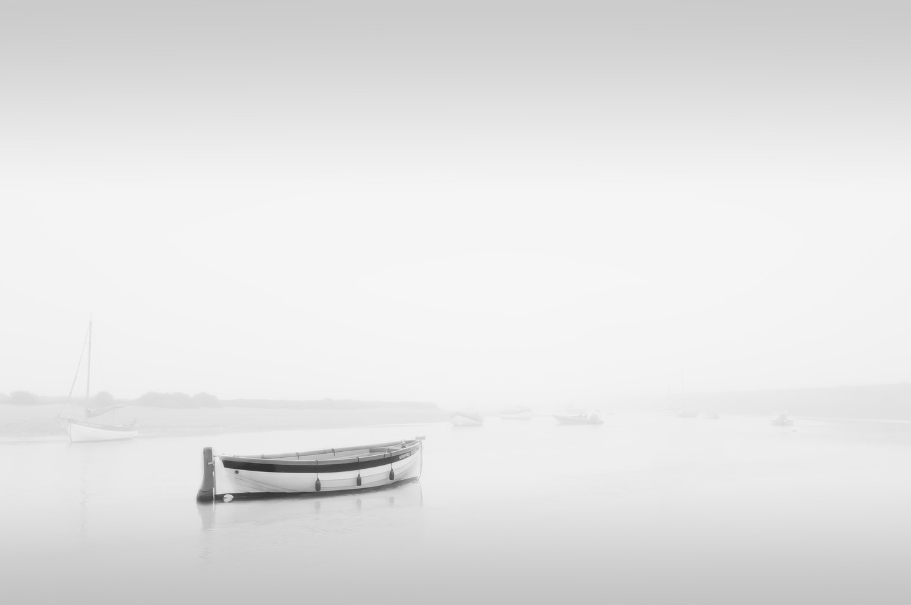
I have always drawn a red line between the manipulation of the items and their pixels within the frame when the image was captured and items that are added subsequently. In essence, until recently I have been willing to remove and or edit anything within the image that I thought helped to provide a more dynamic, engaging, or if required, minimalistic look and feel. This is hardly surprising bearing in mind my own typical style of fine art landscape minimalism.
Fig 1: David Rosen. 2020. Mist at Dawn, Burnham Overy Staithe
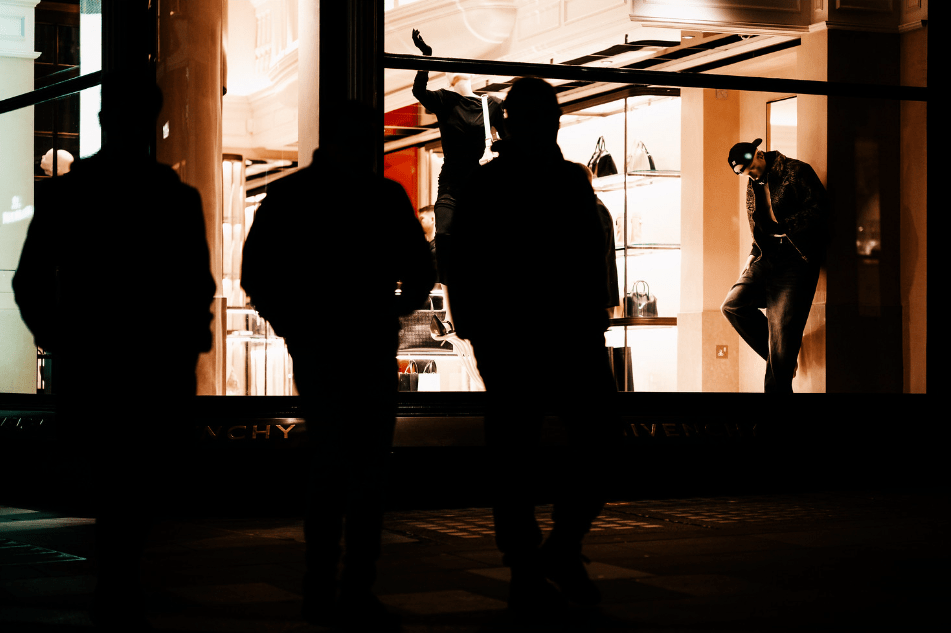
Manipulation took a different turn when I began my foray into urban/street photography. Here it was a manipulation of colour and tone rather than objects that were typically manipulated. It was at this time I was focused on achieving a cinematic look and feel, borrowing my cues from the Directors of Photography of films like Dune, Blade Runner, and Joker. Somehow, I did not feel that this was in any significant way deceptive. It was a creative genre of image-making that amplified mood, emotion, and drama to engage viewers.
Fig 2: David Rosen. 2023. Spot the Mannequin, Bond Street London
However, as my interest in documentary photography has grown and I have begun my MA, I have questioned my approach within my practice. If authenticity was a genuine goal and storytelling an ambition for my work was this methodology justified? I may not have ‘designed events to be photographed’ but arguably created images that did not bear sufficient resemblance to the scene being photographed. In other words, did they lack sufficient authenticity to be deemed a documentary photograph but rather should be considered a piece of photographic art.
To be honest, at this point in the course, I do not believe I have sufficient knowledge or have read widely enough to answer this question. However, I hope to achieve greater clarity on the subject further down the line later in the course.
FIGURES: Figure 1: David Rosen. 2020. Mist at Dawn, Burnham Overy Staithe Figure 2: David Rosen. 2023. Spot the Mannequin, Bond Street London
Task:Reflect on the ‘triangle’ model in relation to your own practice: do you feel that there is any kind of imbalance in terms of the relationships between the three ‘corners’?Think about any previous experiences out shooting: have there ever been any moments when you felt that what you were doing, or had done, was unjust or inappropriate? If so, what prompted this?What did this experience teach you about your approaches, both practically and conceptually?
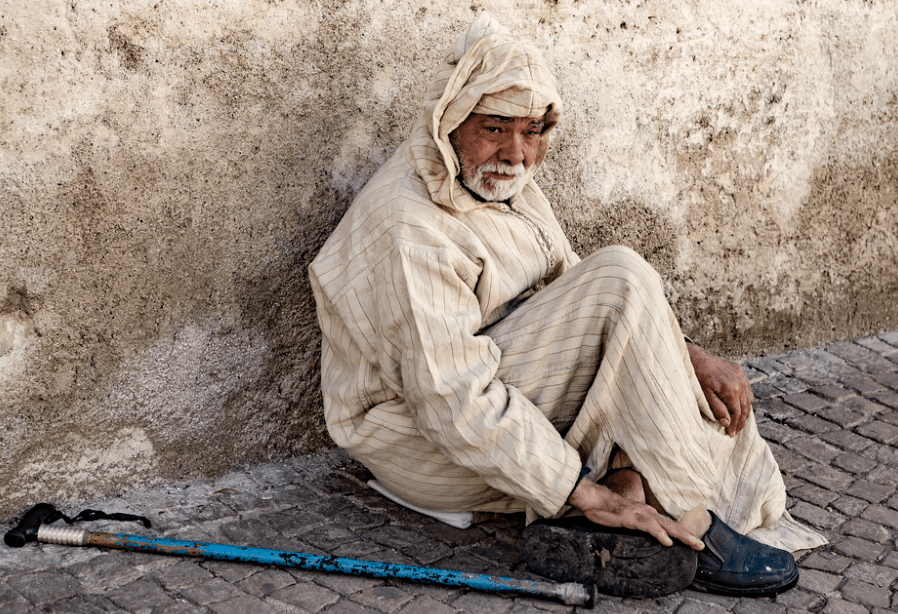
Fig 1: David Rosen. 2019. Tetouen Medina, Morocco
In choosing to photograph the homeless and those experiencing depravation, the subject, author audience triangle is most certainly skewed. The majority of the power balance lies with the author – myself the photographer. Not only do I possess the majority of the agency within the relationship, but also the ultimate choice in what to photograph, how it is photographed, and what ultimately will be shown to a wider audience & where.
There is also an imbalance of power with regard to the subject and audience. The subject will have little say or influence on how the photographs are viewed. Cultural norms will determine how the subjects will be perceived. Barthes refers to this as the signifiers and the signified (Barthes 1981). How each photograph will be read will also be highly dependent on geography. For example, being seen begging on the streets of Calcutta will be viewed very differently from perceptions of begging on the streets of London.
The dangers of poverty porn (the exploitation of those less fortunate as a means of entertainment) is another important aspect of the triangle. (Bell 1992). With the subject highly susceptible to exploitation.
Every photographer makes choices when choosing his subject and the way and style in which to photograph them. Arguably the most important element in defining the morals of a particular photograph is to examine the possible motives and intent of the photographer.
Has the photograph been taken purely for financial gain?
Does the photographer demonstrate empathy for the subject based on previous work?
Has the subject been allowed to participate in the creative process?
Has every attempt been made to minimise the risk of othering?
When starting out in documentary photography, there is a risk of being drawn to photograph scenes of poverty, destitution, violence, or criminality for its own sake. Often encouraged by the work of photographers who have dedicated their lives to such genres. However, when this is done without an understanding of the background, a lack of understanding of the ethics of documentary photography, or a disregard for the impact it may have on the subject (or indeed viewer) it is likely that this will be deemed as gratuitous rather than serious respected documentary work.
I have been guilty in my youth of photographing some of the poorest townships in South Africa. I was in my early 30’s and had little understanding of documentary photography or the real-life struggles faced by the majority of the subjects captured during my trip. While the photographs were seen as powerful one even winning an award, I have more recently come to view the work as cultural poverty porn and no longer feel proud about the images captured and shared.
in making a start on my documentary journey with my MA course at Falmouth, I will be approaching future projects such as my intended FMP on homelessness with a very different perspective. I intend to study the ethics, impact, and background of my subjects carefully and have made my first tentative steps in this direction by embedding myself in the organisation Charity Begins at Home in central Lonon. Together with a deep study of the academic and ethical issues surrounding this type of work, I hope to create an informed, delicate portrayal of my subjects and their stories.
FIGURES Figure 1: David Rosen. 2019. Tetouen Medina, Morocco
REFERENCES
Barthes, R., 1981. Camera lucida: Reflections on photography. Macmillan.
Bell, H. and Gigi, D.M., 1992. Eating the other: desire and resistance. Black Looks: Race and Representation, Boston, South End Press, 21, p.39.
Task:What’s your understanding of the word Nature’ how is the term problematic. How does location and place feature in your work? What is the relationship between your practice and human consumption?
My perspective on nature is probably driven by two aspects of my life. The first my age. Being 66 I grew up with little exposure to the terms environmental damage, global warming, and climate catastrophe. Nature was considered by many to be almost limitless in its ability to sustain the output and collateral damage caused by the Industrial Revolution and was considered at some level to be self-healing. The other perspective driving my perception of the term nature was my educational background. Being almost exclusively focused on the three sciences, biology, physics, and chemistry I understood nature as all things organic rather than inorganic. My perceived delineation was unambiguous and absolute.
Half a century on, nature has a far less uncertain identity. It is considered by most, but not all political persuasions as being in danger, a finite resource that humankind has abused and taken for granted. The media displays a constant stream of environmental disasters for which governments promise action but crumble in the face of economic pressures. Dorothea Born in her Source Magazine article Nature Gone Wild describes the types of images used to illustrate these disasters, noting their apocalyptic tone and suggesting why they may lead to inaction. I am mindful of similar assertions have been made regarding the imagery used to educate smokers on the health risks associated with cigarettes.
The fear and some guilt with regards to our consumerist lifestyles and its impact on climate change, however, lies in direct contradiction to the way we view nature as a pleasurable asset for which we can at our choosing enjoy both when and where we choose. We can enjoy bucolic hillsides, and lay idly on perfect faraway beaches, feeling that nature is ours for the taking with little to remind us of its current fragility. We often combine our interactions with nature with our leisure time picking and choosing the location and time of year when we are guaranteed to be met with picturesque landscapes and seascapes. All too often allowing climate change to dissipate temporarily into our subconscious.
With the focus of my previous practice being urban environments and my future focus for the MA studying the impacts of urban poverty and homelessness, my interests are fundamentally the large metropolitan cities. I look to understand the way in which we navigate their built environments, and how inequality impacts the way in which individuals live, interact, and seek security. Traditionally, landscapes have been thought of as pertaining to the countryside and of the sublime and picturesque rendition of places and scenery. However urban environments in particular architecture and street photography now form a burgeoning part of photography’s image output.
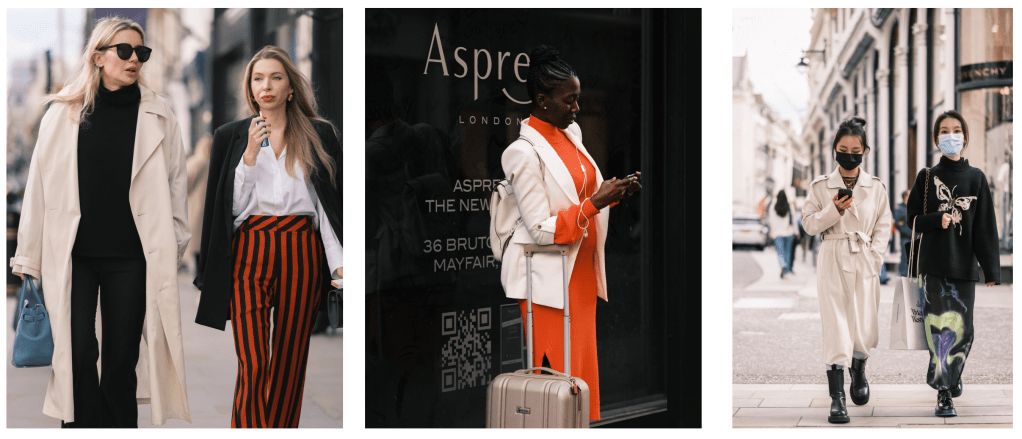
Having had an active practice in street photography for a number of years located in central London, a large number of my photographs have been taken within streets populated by retail stores. I recently completed a project on the lifestyles of the individuals frequenting the exclusive stores located in and around Bond Street.
FIGURE 1: David Rosen. 2022. Bond Street Shoppers.
Many of the goods purchased are made abroad in countries such as Italy, known for their high couture with little or no consideration for the impact of transporting these goods to the UK. Meanwhile, items such as diamonds and other precious stones are extracted from mines based in third-world countries at significant environmental and human costs. In photographing such activities in the style associated with fashion magazines, I am likely to be accused of encouraging and glorifying these activities ignoring the environmental dangers they pose.
FIGURES Figure 1: David Rosen. 2022. Bond Street Shoppers.
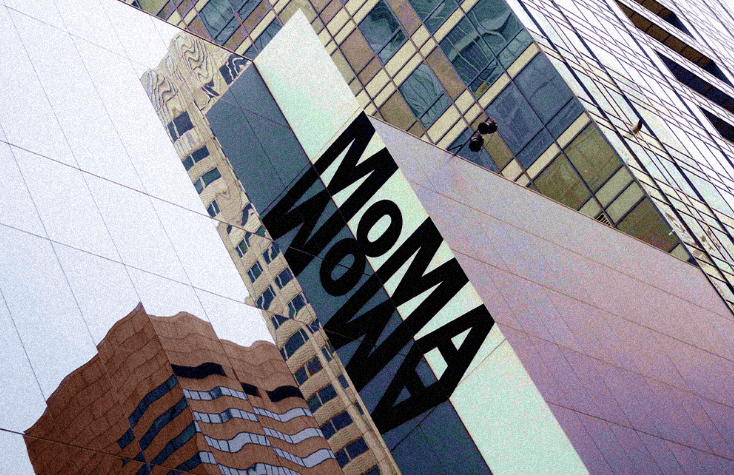
FIGURE 1: Stock Photo. 2023. MOMA Museum. New York
Task: How has your own practice been shaped, manipulated perhaps, by the makers of the technology you employ and/or the spaces in which you share your work? What institutions do you wish to engage with to further your photography? How / Will your skillset and practice need to develop in order to be accepted within that institution? If you do not consider yourself to be a ‘professional’ photographer, what do you think you need to do or achieve for this? If that is not something you desire or aspire to, how would you like to be referred to, and how will you achieve that?
Having actively participated in the creation of images since the age of 13 I have lived through a dramatic shift in the way in which photographic images are created, manipulated, and shared. I have watched with eager anticipation as photography has continued its inexorable rise as a revered art form, despite it arguably lacking the aura of the fine arts (Benjamin 2018). I also experienced the birth and rise of digital technologies which have transformed the way in which we capture display and share our images.
There were many who prophesied the demise of photography as an art form seeing digital as a transgression in the historical development of the art of photography. William J Mitchell in his book The Reconfigured Eye commented on the transition from analogue to digital (Mitchell 1994) “There is simply no equivalent of the permanently archived, physically unique photographic negative. Image files are ephemeral, can be copied and transmitted virtually instantly and cannot be examined (as photographic negatives can) for physical evidence of tampering. The only difference between an original file and a copy is the tag recording time and date of creation – and that can easily be changed. Image files therefore leave no trail, and it is often impossible to establish with certainty the provenance of a digital image.”
Despite the misgivings of commentators at the time, I saw the transition as positive. Digital cameras facilitated a more spontaneous approach to image-making, opening up the opportunity for post-production creativity that replaced the more limiting less intuitive process of enlarger-based photographic image printing.
More recently the advent of digital photography has been itself transformed, by the explosive growth of social media. In particular, the active participation of millions of photographers in social media platforms such as Flickr, Instagram, Facebook. This perhaps more than the advent of digital technologies has transformed the very meaning of photography. As Nathan Jurgenson describes in his book Social Photo (Jurgenson 2019), “Social photography heralds a transformation in the way that not only images, but also the camera, should be understood”. Unfortunately, I now find myself caught in the seemingly luddite trap of dismissing iPhone photography as lazy, even resorting to accusing iPhone users who purport to be photographers as denigrating the very meaning of photography. I realise just how antiquated I must sound! I can only justify my comments by expressing my genuine love for the art and practice of photography, its creativity, its practitioners and more latterly its academic credentials.
Back to the topic of social media, there is no doubting the thrill of likes and follows when one first starts sharing images on the platforms such as Flickr and Intagram. However, over time I have learned that the unspoken algorithms that drive engagement do not equate to the quality and depth of meaning possessed by an image. The ‘bangers’ as they are referred to on Instagram for example follow predictable and self-limiting rules. Dramatic diagonal shadows, cinematic colour grading and shallow depth of field to highlight street portraits will encourage ratings, but when followed slavishly over time can stunt creative output.
At the risk of professional mockery, I profess to being guilty at various points in my practice to these forms of creative seduction. I now see them however for what they are, a slippery slope of short-term dopamine-inducing affirmation that drives traffic, but do little to enhance the development of photographic practitioners.
The question asked of us, is to what institutions we wish to engage with to further our photography. My own journey is that of wanting to be recognised as creating bodies of works that have meaning and will be viewed as contributing to debates on important social issues. To achieve this I am looking to achieve exhibitions for my future work. Sontag describes the arrival of photography onto the walls of museums and art institutions as a conclusive victory in the transition of photography into a respected and recognised art form. (Sontag 2001). I am hoping that I may one day join the long list of esteemed photographers who have achieved this accolade for their work.
In order to achieve work worthy of being exhibited I believe there are a number of learning journeys I will need to follow. Firstly, I will need to commit to and execute faithfully a documentary project that displays an understanding of and empathy for an important social issue of our time. My work will need to display a consistency of output, that has been underpinned with research and displays academic rigor in its thinking. All of these things, I am determined to achieve during my time on the MA at Falmouth, both from the professional teaching staff and from my peers.
As to the label of professional, semi-professional, or amateur, I have been somewhat fluid in my own perception and self-presentation to date. I have been paid for my workshops at the RPS or for the occasional minor commission. Mostly, however, the sheer joy of photography in all that it entails has given me everything I could wish for in a creative endeavor. Besides, as they say, labels are just that, labels.
REFERENCES Benjamin, W., 2018. The work of art in the age of mechanical reproduction. In A museum studies approach to heritage (pp. 226-243). Routledge.
Jurgenson, N., 2019. The social photo: On photography and social media. Verso Books.
Mitchell, W.J., 1994. The reconfigured eye: Visual truth in the post-photographic era. Mit Press.
Sontag, S., 2001. On photography (Vol. 48). Macmillan.
Task: To what extent has text been part of your practice up to this point? When have you found it most effective? Can you think of instances where your use of text – titles or captions perhaps – has ‘intimated’ too much for the viewer? Has text ever undermined your photographs?
To date, my practice has focussed predominantly on the visual image. In both my workshop seminars for the Royal Photographic Society and when delivering images for clients and or friends, accompanying text has played no part in the expected or actual delivery.
However, I have, in promoting my work made extensive use of websites to create a number of specific personal platforms on the internet. Specifically davidrosenphotography.com for my landscape and architectural work, at-streetlevel.com for my street photography portfolio, and more recently discoveredatstreetlevel.com to showcase my urban environmental portraits. Within each of these websites, my images have been captioned. A practice I have felt uncomfotable with, as the captioning displayed no real consistency. Unsurprsingly, as I had little idea at the time as to their role and influence on viewer perception.
Despite reading widely, my photographic books had been limited to improving my craft skills, creative self-development, an improved understanding of the aesthetics of image-making, and photobooks from my favoured photographers. It is therefore no surprise, that I had been unaware of Rolnd Barthes and many others who have commented widely on the role of intertextuality and semiotics within photography.
Through the writings of Roland Barthes in particular, I am beginning to understand the way in which we percieve the visual image and how text can distort, accelerate or clarify our perceptions. I now wonder if my over simplistic captions have quickened the perceptions of my images, allowing the viewer to interogate their meaning at a superficial level but avoid or dissuade a deeper and more meaningful interaction.
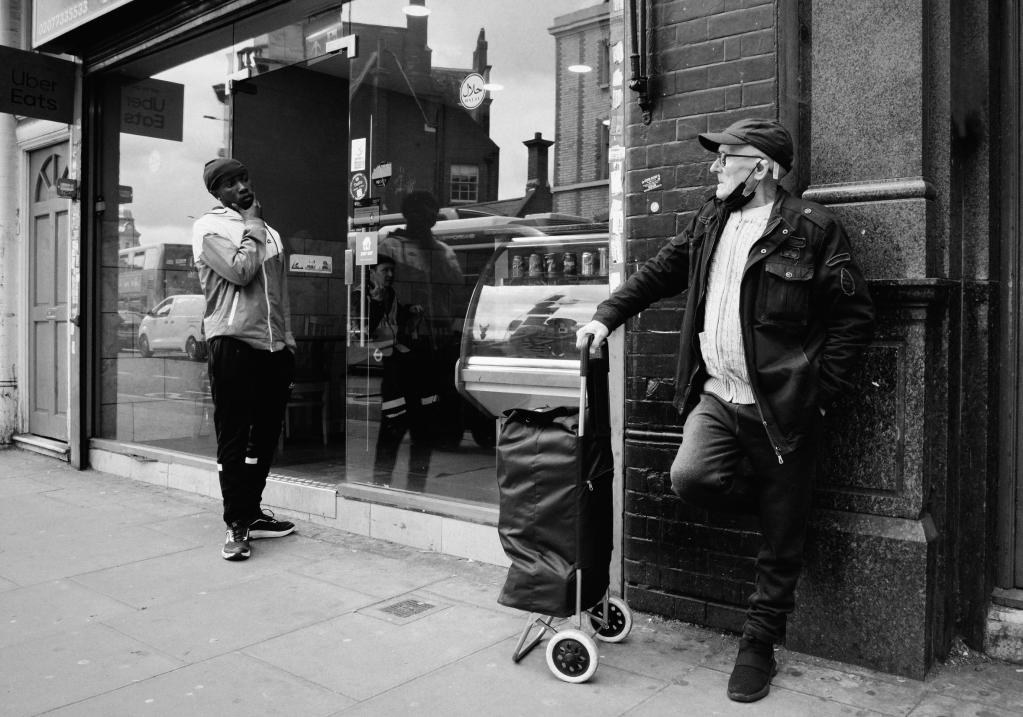
FIGURE 1: David Rosen . 2023. The Camberwell Stare
Take for example figure 1, which I entitled with the caption ‘The Camberwell Stare’. This implies that the stare is a common feature of life on the streets in Camberwell. It may also imply that the stare may originate from one particular ethnic group towards another. All of this may be untrue and may distort the actual reality of the scene being depicted. It would perhaps have been better to leave the image untitled, supported by other similar work that might shed a more in-depth and representative perspective of life on the streets of Camberwell. As Susan Sontag explains “all photographs wait to be explained or falsified by their captions” (Sontag 2003).
FIGURES: Fig 1: ROSEN David. 2023 The Camberwell Stare
REFERENCES Sontag, S. 2003. Regarding the Pain of Others. Picador
Although designated as a reading week, it turned out to be anything but. Rather than focus on research and reading, I dived straight into project execution. This involved a number of shoots at my home of three of the volunteers: Sofia, Ahmed and Andrea.
Each shoot took around an hour. The main images were shot on my Canon EOSR with a 24-70mm f4 lens, together with Delta 100 monochrome film shot on my newly acquired 6:45 medium format analogue camera. All films were processed and scanned at home. The interview was shot on a Fuji XT4 using natural light at 4K at a frame rate of 25 frames/sec.
Three images were output in colour with a similar set in black and white. Having presented my intended reflection presentation to Tim, he made it clear that the colour approach was both more contemporary and provided a more intimate account of the volunteers. My own perspective was somewhat mixed at this point, however on reflection, I believe this was good advice. Tim also expressed a need to make the images more constant with regard format.
Although the images felt acceptable with regard to overall quality, I felt a need to significantly upgrade my craft skills in relation to studio output. I plan to devote a significant chunk of time to understanding studio portraiture in particular lighting techniques and sitter posing strategies. I will also need to invest in some additional lighting equipment.
I am writing this review of week five somewhat late. The reasons however, are not altogether negative. Having solidified my ideas for the research project; namely to explore the individuals who both run and volunteer at foodbanks as well as to shoot and interview a number of their clients, I have been able to make substantial progress.
With a fairly rounded idea of what the project might entail, I decided to contact Jesse and present a formalised idea for my research project. Jesse was supportive and provided a number of pointers for further research. We discussed the shape of the project as well as the executional style of potential images and how they might be designed to strip away the social cues that would encourage class stereotypes. We agreed that access would be a major challenge within the project as well as the gaining of access to the foodbanks themselves.
Although I had made some progress with Sharon Goodyear and her Margate-based foodbank project, I was also keen to gain access to a London-based foodbank or soup kitchen. Following my meeting with Jesse, I was able to make contact with the CEO (Alex) of The Soup Kitchen based in Tottenham Court Road and received a highly encouraging response. Unfortunately, they were already in the midst of a similar project. My second call however to the founder of Charity Begins at Home Saleem Aswan resulted in a positive outcome. I was able to secure both a personal meeting as well as being able to visit the group’s Friday regular foodbank initiative in Agar Street just off the Strand.
By the end of the week, I had attended an introductory dinner with Saleem as well as working with the volunteers on Friday evening. It was a moving experience and solidified my desire to follow this path for the research project as well as maintain close links with the charity and its founder going forward.
At the same time, I heard from Sharon Goodyear that she felt that it would be too much of a personal time burden to undertake a collaboration. We therefore agreed not to take our discussions any further. The lesson from this as in any new business initiative is to be cognisant of the funnel effect when looking to create new charity partners for the project.
This has been a particularly enjoyable, stimulating and fruitful week. Despite being slightly behind and having to write up my CRJ on Monday, the rest of the week has more than made up for the loss of one day.
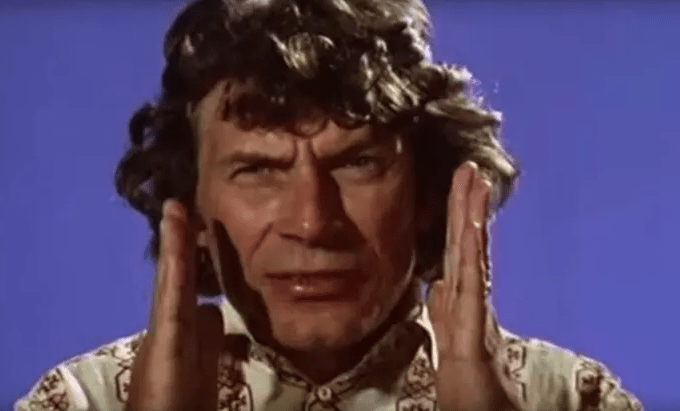
Monday afternoon I came across the series by John Berger ‘Ways of Seeing’ a BBC 4 part series broadcast in 1972. Despite its low budget, low tech, and now outdated social references, the series was an outstanding appraisal of the way we interact as a society with visual communication. Its BAFTA award was well deserved and in fact, the series is seen as one of the most influential TV programmes about art ever made! I came away recognising the highly interwoven relationship between fine art and photography. The episode on the way in which gender influences how we are seen was simply spellbinding. The changes that have occurred over the past 45 years now seem even more immense. The final episode on how images play a role in advertising was simply astounding. Despite my career in related industries to advertising, I could not have been more engaged in the content.
FIGURE 1: John Berger. 1972. Ways of Seeing.
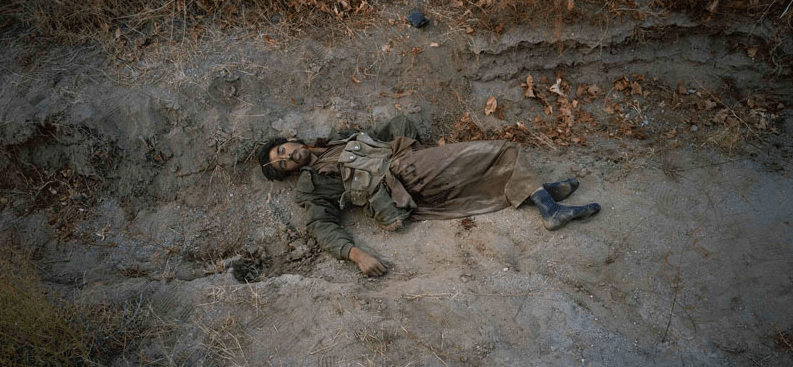
Tuesday & Wednesday were dominated by both reading the various suggested texts (reviewed in my ‘Reading Photographs’ blog post as well as the weekly webinar from Jesse. The session was dominated by the evaluation of an image by Luc Delahaye of a dead Afghan soldier. The image was extraordinary from a number of perspectives. Firstly, rather than being an image supporting a news item, its context is that of a gallery where its price, the way it had been framed and its size places it firmly in the category of fine art. Secondly, it had been very carefully composed and was captured on a large format camera.
The question I began asking myself during the session was how this stood in relationship to the war photography of say Don McCullin. Is this any more or less morally questionable? In terms of the capture process probably not. However, the end of the image journey as an exclusive commodity sold to a wealthy owner in my mind is somewhat questionable. Finally, as I questioned during the session, how would we feel if this was a UK citizen or soldier photographed for the same purposes. I have a feeling this would not occur so readily.
FIGURE 2: Delahaye. Dead Afghan Soldier 2011
Both tasks this week were stimulating and brought to the surface a number of my own emotions regarding their content. in the first exercise, we were instructed to use an advertisement, analysing the image through the perspective of the cues, codes, and rhetoric we have been studying this week. The case of the Marlborough man probably represents a class of advertising that has deceived and had the most detrimental health effects of any product class since the birth of advertising. The false promises and the lack of health warnings combined with government inaction have killed millions worldwide. As to the ad itself, it conforms to all of the publicity methodologies so eloquently laid out by John Berger in his TV series and book by the same name.
Our task for evaluation and comment by our tutors (Tim in my case), was to review two images of Afghan girls. One, the famous green-eyed girl made famous by Steve McCurry, the other, Bibi Aisha who had been mutilated by Taliban for leaving her husband. This was a highly engaging and motivating exercise. I found it hard not to feel shocked and sickened by the events but tried to maintain an objective focus on the task. My own approach focussed on both the studium and puntum aspects of the image as well as reviewing the context in which it was seen and the contradictory ways in which it was used to promote very different political views.
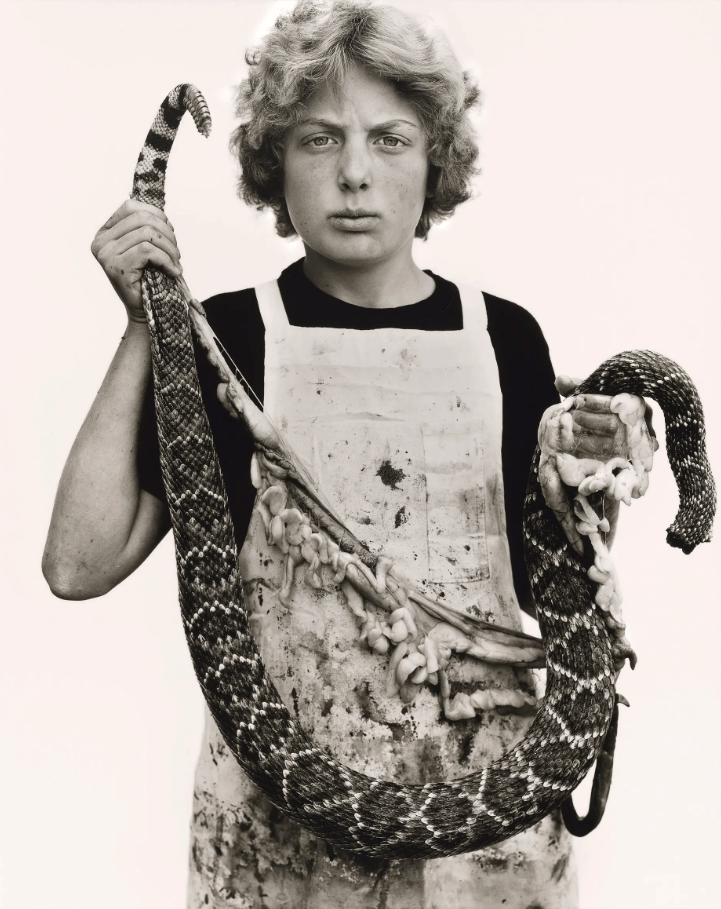
Thursday Last night, I had a series of ideas for my research project and ultimately FMP. I was reviewing the work of Richard Avendon and his body of work taken in the American west. I started to imagine how this methodology might be used in my own intended project within soup kitchens or food banks. Up to now, I have only identified a target issue to address and the context in which this might be explored. A creative concept has yet to be fully fleshed out. This might be a possible direction.
FIGURE 4: Richard Avendon. 1979. Boyd Fortin, Thirteen-Year-Old Rattlesnake Skinner
The idea is as follows: To shoot the person setting up the soup kitchen and one of her longest-standing clients. Each set of photographs would form one-half of a spread indicating their relationship. They would be shot using a portable white backdrop in the style of Avendon’s American West portraits. They would be stark powerful and have strong eye contact. Alongside each of their stories would be used to highlight the junctions in their lives when decisions or circumstances would dictate how their future would unfold. A clear comparison would be obvious by the side-by-side placement of their portraits. A great deal to work through but progress never the less.
FIGURE 1: BERGER, John. 1972. Ways of Seeing. The Guardian [online]. Available at: https://www.theguardian.com/books/2022/jan/17/ways-of-seeing-at-50-how-john-bergers-radical-tv-series-changed-our-view-of-art [accessed 19/10/2023].
Task:What challenged and or surprised us and what did we learn? What might affect how we read and interpret photographs. This might include family and social background, upbringing, values and education, exposure to art, literature, philosophies and politics as well as significant life events that may have shifted our perspectives when decoding images?
FIGURE 1: McCullin. 1971. Gangs of Boys Escaping CS Gas Fired by British Soldiers, Londonderry, Northern Ireland.
Unlike the previous week, where I had at some points I felt in unfamiliar or uncomfortable territory for example, within the contexts of what constituted plagiarism, or why creative collaboration was seen as a superior methodology to solo strategies. However, this week I felt like I was on home turf. Well-constructed frameworks allow us to broaden and strengthen our analytical skills, forcing us to explore every nook and cranny of our subject of interest. This week we were provided with a smorgasbord of useful theories, frameworks and analytical tools.
The role of semiotics is not new to me, having a background in advertising planning. However, the explanation by Barthes (1981), in explaining the overt (denoted) and covert (connoted) messages communicated by photographs, was a great jumping-off point for my further research. Furthermore, classifying the components of an effective image into ‘studium and punctum’ has encouraged me to think carefully about which elements within the frame of my images stimulate discussion and engagement.
How the context of a photograph plays an important role in how an image is seen was a relatively new concept for me. My focus has always been the elements contained within the framed image. Historically, that was where my sphere of interest and attention ended. Context as meaning as described by (Walker 1997) and broken down by physical, mental, and circulation immediately challenged this prior behaviour and now forms part of my thinking.
The visual analysis chapter by David Lodge (Lester 2006), was comprehensive and highly detailed. Drawing from the frameworks of David Perlmutter as well as the Gestalt laws of visual perception Lodge, uses a specific image as an example to create a fully detailed image analysis. Although I believe many of the principles explained could be useful, I did feel that some of the ‘denoted’ communication analysis felt laboured and on its own would practice fail to provide sufficient cues as to the connoted meanings communicated by the image. In practice, some of the analysis could be intuitive to the more experienced viewer.
As a fan of the ideas of Bathes, I read the Marie Shukus article Beyond Representation with a great deal of positive anticipation (Shurkus 2014). However, in all honesty, I found it inaccessible and could not draw sufficient meaning from it either at a theoretical or practical level.
With regard my personal influences, I am first and foremost a logical thinker who grew up loving science, enjoying the structure and certainty it brings and used theoretical frameworks for analysis and insight. My educational background at GCSE, A level, and degree level were all science-based. At this stage in my photographic journey, my reading of photographic images was narrow, formal, unimaginative, and determined by a slavish following of the rules.
Over time my cultural horizons broadened and allowed me to appreciate a broader and less structured assortment of artistic influences. At that stage, my interpretation of imagery had begun a journey of being able to evaluate more eclectic images. It was coincidently at this time that my photography also began to improve.
While studying for a Masters’s Degree in Consumer Behaviour and a PhD in psychology I began to understand that there was no such thing as the truth. Perspective was everything and one could reinvent reality through perception. This allowed me to appreciate a far broader range of photographers and artists, shifting my appraisal of images and art towards less structured, less defined, and more eclectic work.
This week, I have enjoyed the seminars, discussions and academic papers immensely and intend to bring portfolio analysis into my practice in the longer-term.
LIST OF FIGURES
FIGURE 1: MCullin, Don. 1971. Gangs of Boys Escaping CS Gas Fired by British Soldiers, Londonderry, Northern Ireland, New York Times. Don McCullin Is a War Photographer. Just Don’t Call Him an Artist. [online]. Available at: nytimes.com/2019/02/04/arts/design/don-McCullin-tate-britain.html [accessed 18/10/2023]
REFERENCES
BARTHES, R. 1981. Camera lucida: Reflections on photography, Macmillan.
LODGE, D. 2006 ‘Visual Analysis’ In Paul Lester (Ed). Visual communication: Images with messages, 115-132.
SHURKUS, M., 2014. Camera lucida and affect: Beyond representation. Photographies, 7(1), pp.67-83.
WALKER, J.A., 1997. Context as a determinant of photographic meaning. The Camerawork Essays: Context and Meaning in Photography, pp.52-63.
Saturday kicked off the start of the week with the Bristol Annual Photobook Festival. A chance to meet some colleagues and Jesse Alexander for the first time. Starting with coffee (of course), a brief chat revealed the divergent backgrounds of our cohort. Teachers, Anthropologists, Rock Musician Photographers a heady mix of life experiences for us to share and build diverse projects in collaboration and by ourselves.
I was booked into two talks. The first, a talk by Alicia Bruce regarding her photobook I Burn but I am Not Consumed. Alicia presented a portrait of a Scottish coastal community in conflict with Donald Trump. Alicia had deeply embedded herself into the community, gained its trust and became part of the movement. It struck me that her commitment and emotional involvement was total.
FIGURE 1: Alicia Bruce. 2023. Trump the Greatest Liar
This paid off, with her work reflecting the pain and frustration but also the moments of joy within the community as it faced up to the David and Goliath battles against the Trump organisation. The photography and accompanying poetry eloquently provided a record of the lived experiences of locals involved in the fight. As I listened, I wondered if I would be able to embed myself so deeply into my own chosen community of food banks and soup kitchens, a group far removed from my own background. The film shown during Alicia’s presentation was very moving and strengthened my resolve to include a film as part of my final-year project.
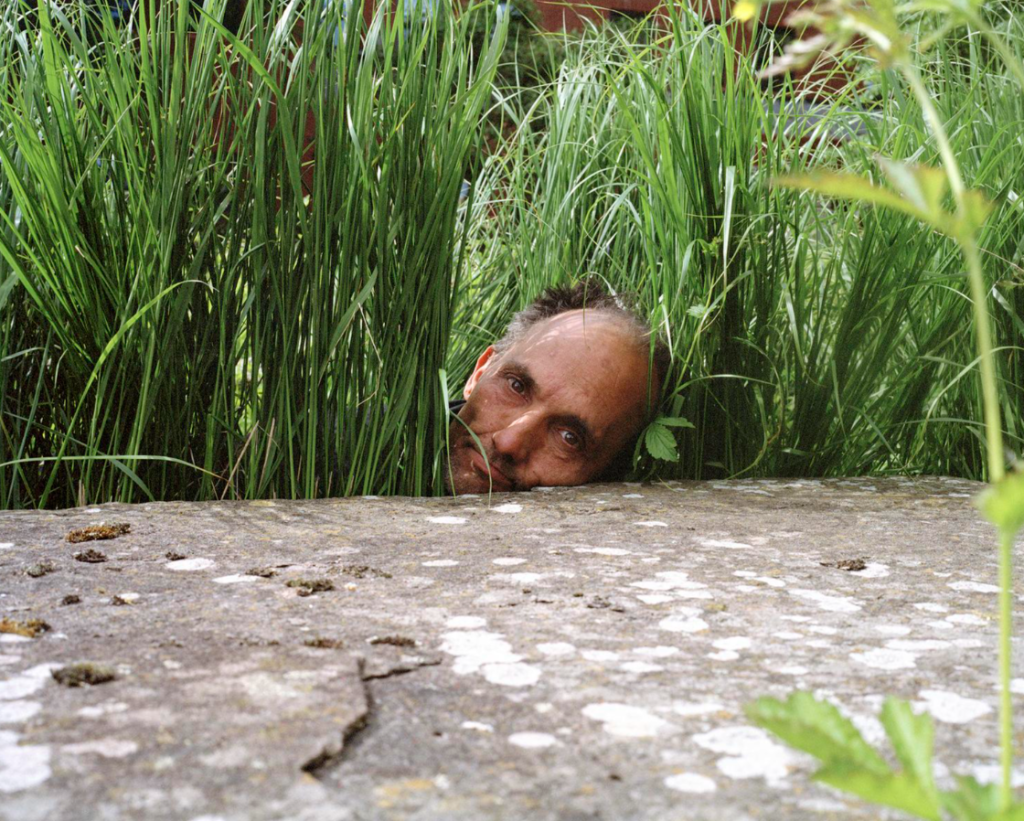
The second talk by Lua Ribeira showcased her latest book Subida al Cielo (Ascent into Heaven). Within five separate projects, Lua was able to create performative, theatrical bodies of work that are able to transcend cultural barriers, providing unique insights into migrant and religious communities utilising highly staged and pre-determined visual structures. Uniquely Lua’s photobook included her drawings and ‘workings out’ that preceded the shoots.
FIGURE 2: Lua Ribeira. 2023. Subida al Cielo
Lua’s work spoke to several levels. Firstly, it rammed home the possibilities of pre-imagining how subjects and their environments might be arranged within the frame. Although this is not always possible, in working for example within a soup kitchen, there will always be aspects of the environment that will work better than others. Secondly, when speaking afterward with Lua signing my copy of her book, she confirmed that all of the work had been shot on medium format film. My determination to attempt shooting at least part of my FMP on medium format film has strengthened.
After lunch with a few colleagues, I was able to browse the photobook sellers. My purchases were illuminating. I was drawn towards gritty monochrome scenes of urban depravation. Was this going to be my prefered execution style, or a hangover of my earlier documentary preferences of photographers such as Don McCullin, Mary Ellen Mark and Bruce Davidson. I guess this is yet to be resolved.
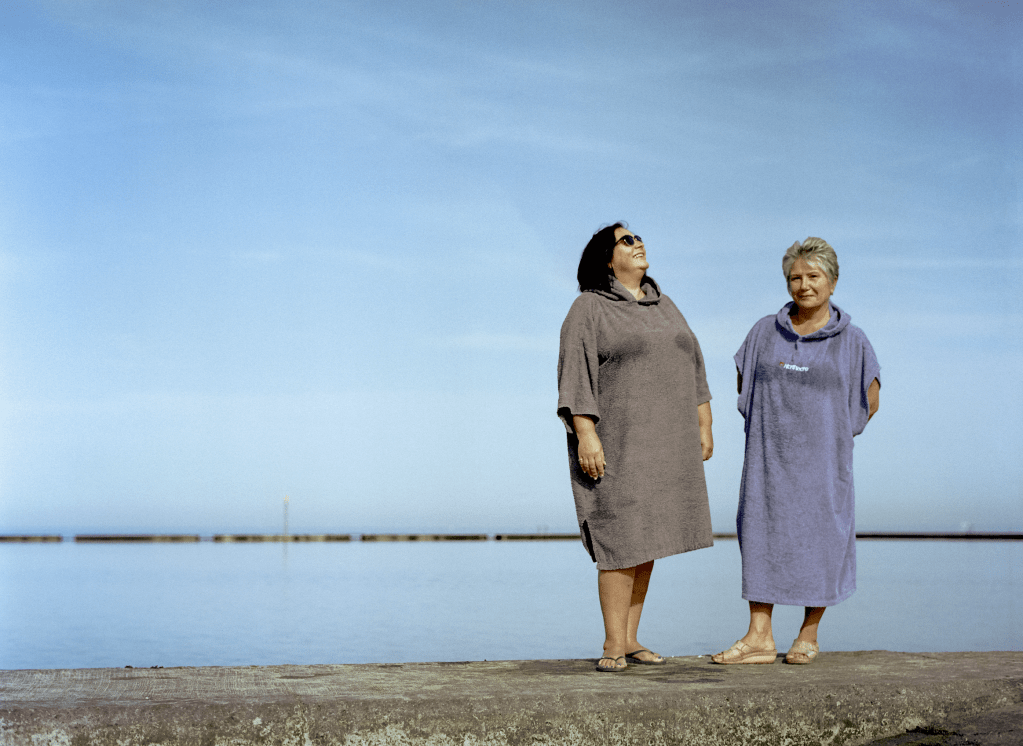
Monday was ringfenced for a shoot in I Margate. I have yet to fully explore the best ways to achieve environmental portraits with my medium format Mamiya 645, in particular the focussing issues that have dogged my first few weeks with the camera. Arriving mid-morning my first opportunities came early. I was able to persuade a couple of Latvian wild swimmers to engage and have their portraits taken. Setting up quickly while chatting was challenging. Focus was difficult with the waist-level finder. I had to take several meter readings with a separate light meter. I did not use the screen magnifier and relied on a snatched focus. The result, missed focus. Note to self, either use the prism finder or waist level magnifier and take time to focus carefully if subject sharpness is to be optimised.
FIGURE 3: David Rosen 2023. Margate Wild Swimmers
With great light I took the opportunity to take a number of seascapes using the tripod, waist level finder and my travel tripod. To minimise camera shake (I was shooting at 100 ISO Kodak Ektar) I utilised the cameras inbuilt shutter delay. This is probably even more effective than cable release as I can still use the mirror up function avoiding mirror slap vibrations. Over lunch took a portrait of an elderly lady with her two dogs. I used this as practice in approaching strangers out of the blue for impromptu portraits.
After lunch I drove across Margate to the now collapsed site of the lido. A Somalian lady sitting on the collapsed wall caught my attention. I approached her and asked to take a series of portraits both environmental and closer up. Having engaged her in conversation it transpired that she grew up in London and had moved to Margate teaching art to under-privileged children in Margate. I now had Portra loaded rated at ISO 200. The light was strong but not overly directional. I used my prism finder shooting on the cameras internal meter and able to focus more carefully than earlier. The results can be seen here MARGATE SHOOT 9/10/2023. The resulting negatives were dense, indicating that in future when using the prism finder I could shoot at box speed without the danger of under-exposure.
When sharing details of my intended food bank project, Ayaan pointed to a local food bank that had recently been set up by Sharon Goodyear. I took the opportunity to go there before catching the train home. By a sheer case of serendipity, Sharon was standing I the doorway. Thinking she was a client waiting for the centre to open, I approached and asked if she knew the whereabouts of Sharon that afternoon. It turns out she was in fact Sharon, and we proceeded to share our various backgrounds and current projects. It transpires that the centre is newly opened, is both a food bank and soup kitchen and is promoting healthy options as a push back against over-processed food. My impressions were that Sharon was interested and would be keen for me to be involved. I tool her details and e.mailed her the next day. As of 4 days later I have had no reply but intend to follow up and if possible, arrange a face to face in Margate over the coming weeks. I hope to use this opportunity for a small test shoot with images included in my first assignment.
Tuesday kicked off with a briefing webinar from Jesse regarding our upcoming reflective presentation. Although there is significant guidance available online, it was useful to hear first-hand from Jesse. In particular, he stressed that this was not a task of merely creating a biopic. Rather, it should be a critical analysis of our previous style of work and where it sits within the various genres and philosophies within photography. We were reminded of the usefulness of reviewing the exemplar reflective presentations on Canvas and the value in reviewing these with the learning outcomes to hand. The scope of the task is now clear. The assignment is due Monday 13th Nov.
This week’s assignment was a collaborative presentation due at the end of the week. Luckily, my uploaded proposal of exploring and executing various conceptual ideas around ‘waiting’ was accepted by three others; Natasha, Steve and Jonny. Once we had coalesced, we were quickly able to delegate tasks with myself writing the background research and the others creating photographs to support the presented ideas. The collaboration was surprisingly efficient and despite having not worked together previously, we were able to give a credible presentation on the Thursday afternoon.
Wednesday was spent finishing the research and writing up the slides for the presentation. I also reviewed the presentation on authorship and collaboration and read the paper by Susan Meisel on collaboration. To be honest, I have found some aspects of this week’s topic challenging. I realise my view of photography as a creative and intellectual pursuit is seen negatively in the supplied texts, and presentation. My career to date would seem to have followed the same path.
Although I have spent decades in commercial creative environments including design and advertising agencies and have executed projects collaboratively, this has tended to be when the teams were cross-functional. In other words, working with artworkers, film editors and designers. I have tended to create my strategies and conceptual design ideas mostly solo, then shared the ideas as as a finished product. I tend to be highly self-critical and by the time I am ready to share, I believe (most likely incorrectly), that the idea cannot be refined or polished further.
Within photography, I have been self-taught and have learned my craft by voraciously consuming the ideas and work of individuals I have placed on a creative and photographic pedestal. Bruce Davison, Don McCullin, Mark Ellen Mark, Ernst Haas, Saul Leiter. I have tended to avoid the more contemporary and artistic voices, choosing to follow the classic masters. Consequently, I have found some aspects of this week difficult and at times uncomfortable. I recognise that I am focussed on a style of documentary photography that was perhaps at its nadir 30-40 years ago. Is this wrong? I guess the coming topics and activities will refine my thoughts on this further.
Finally, there was also an evening lecture by Stinus Duch. This was an interesting account of the independent art photobook market and how these photobooks are conceived and their journey from inception to completion. Whilst highly creative, many did not stir my emotions. On the spectrum of art vs pure documentary, they definitely veered towards art. I found some rather incomprehensible, however, some were highly original. The webinar highlighted the dissonance I currently feel between aesthetics and meaning, art and more representative styles of documentary photography. I have yet to resolve these contradictions.
Thursday was spent refining the presentation including the list of figures and bibliography. I also developed my first three rolls of colour film (Cinestill C41). Finally, I have restructured the menu within my CRJ so that my previous portfolio is separated from the work I shoot while at Falmouth.
Friday was taken up with personal matters as well as continuing to process my Margate analogue images.
FIGURES:
FIGURE 1: BRUCE, Alicia. 2023 Trump the Greatest Liar. I Burn But I Am Not Consumed. [online]. Available at: https://aliciabruce.co.uk/book/iburn [accessed 13/10/2023].



 The Photography of David Rosen